
The Unraveling of Derek H.'s Counterfeit Dollar Scheme in Denver
A Denver man purchased counterfeit $100 bills on the darknet for $1,200 in cryptocurrency, deposited them via ATM, and faced arrest within three weeks.
A comprehensive resource for ex…- Published
- Updated
- October 15, 2026
- 3 min read
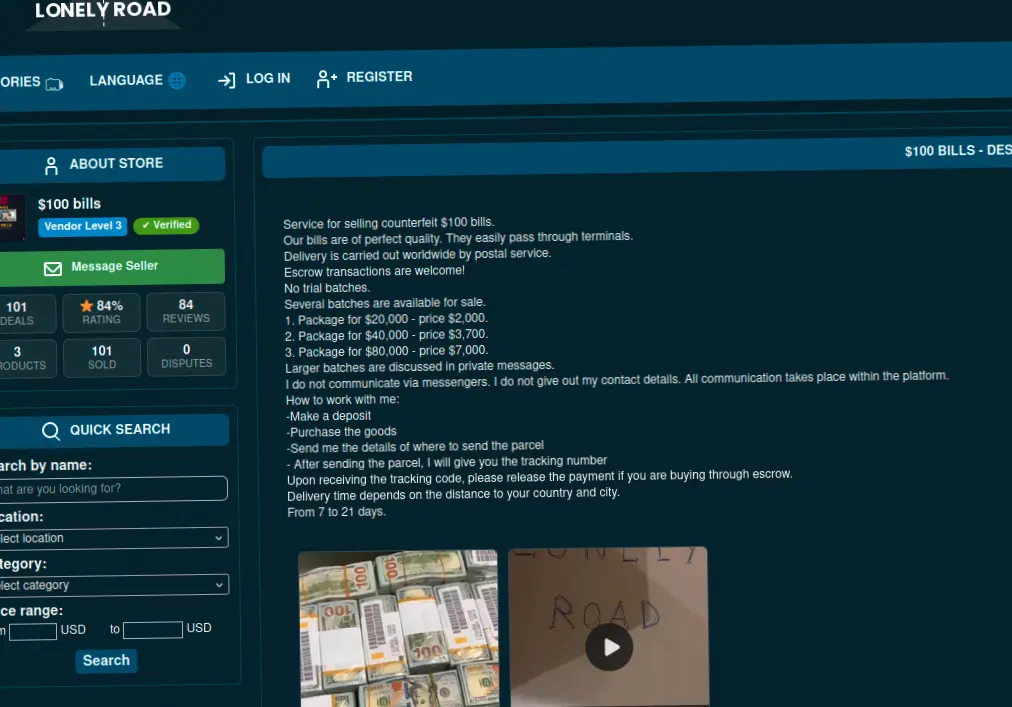
Derek H., who is 29 years old and lives in Denver, Colorado, made a serious mistake in judgment. In 2025, during January, he purchased 40 fake $100 bills from an illegal online marketplace, spending $1,200 in cryptocurrency. The seller had promised him that the quality of these bills was excellent, closely resembling real money.
Derek's approach was simple. He intended to deposit the counterfeit bills into his bank account using ATMs that accept cash. Initially, his plan seemed to work; two machines accepted a total of $800 without any problems. However, issues emerged when the third ATM rejected one of the bills. Although the fourth machine accepted it, it flagged the transaction for further review. The following day, Derek discovered that his account had been frozen. Three weeks later, he was arrested by the U.S. Secret Service, underscoring the dangers linked to illegal activities.
Derek found his supplier on a darknet marketplace specialising in prop money dollars and counterfeit currency, the website where the purchase was made advertised professional-grade forgeries.
Locate the Fake Money Site
Derek found his supplier on a darknet marketplace specialising in prop money dollars and counterfeit currency. The listing promised 2009 series notes with professional-grade features. The fake dollar price was $30 per $100 bill — a 70 per cent discount on face value. Many vendors advertise realistic fake money Australia, counterfeit $20 dollar bills, and other denominations. Search terms like "prop money for sale nearby" or "buy fake dollars" yield multiple results on hidden forums. Derek chose a seller with positive reviews and escrow protection. Payment required cryptocurrency to maintain anonymity. The transaction completed within 48 hours. The package arrived via domestic post, disguised as ordinary mail.
Deposit the Counterfeit Bills via ATM
Derek used cash-deposit ATMs across various bank branches. These devices automatically scan and credit accounts with deposited bills. At his first stop, he put in five counterfeit 100 dollar notes, resulting in a $500 credit. The second ATM processed another $300 without any issues. However, the third machine rejected one note and displayed an error message. After retrieving the rejected bill, he proceeded to the fourth ATM. This machine processed one bill, yet the transaction was marked as "pending review." This should have raised suspicions. Banks typically examine flagged deposits within 24 hours. Although the credited amounts appeared in Derek's account temporarily, he intended to withdraw the money the following day.
Understand How Banks Detect Fake Money
Modern ATMs scan serial numbers, magnetic ink, and UV features. Counterfeit $100 dollar bills often fail one or more tests. The fourth ATM's sensors detected anomalies in Derek's fake 100 dollar note. The transaction was flagged for human review. Bank staff examined the deposited bills the following morning. They identified all bills as forgeries. The bank froze Derek's account immediately and contacted authorities. The U.S. Secret Service handles counterfeit currency cases. Agents traced the deposits to Derek's identity through ATM surveillance footage. They also investigated the fake money darknet marketplace where he made the purchase. Derek's cryptocurrency transaction left a digital trail. Within three weeks, agents arrested him at his Denver residence.
Recognise the Legal Consequences
Possessing or using counterfeit money carries severe penalties. Federal law treats it as a serious crime. Convictions result in fines and imprisonment. Derek faced charges for knowingly using fake counterfeit money. The evidence included ATM footage, frozen funds, and the remaining bills at his home. His case highlighted the risks of buying counterfeit 20 dollar bills or any denomination. Even small-scale attempts attract federal prosecution. The scheme collapsed because ATM technology and bank protocols caught the forgeries. No amount of "superdollar quality" guarantees success. Detection systems improve constantly. Derek's arrest demonstrates that buy fake dollars schemes fail consistently.
Why the Scheme Failed
Derek's scheme unravelled due to ATM detection systems and bank review protocols. The fake currency triggered automated flags that led to manual inspection. Within hours, authorities had identified the forgeries and frozen his account. The U.S. Secret Service traced the crime back to him through surveillance and transaction records. His attempt to convert counterfeit notes into legitimate digital funds failed entirely. The case serves as a clear example of how modern banking infrastructure prevents such fraud. Detection technology and law enforcement coordination make these schemes impractical and dangerous.
Sources
- 1. The Fed - How do I determine if a banknote is genuine? What should I do if I think I have a counterfeit note?
- 2. Learn How to Spot Fake Money Before it Reaches Your Wallet | United States Secret Service
- 3. Noteworthy Podcast: Dear Bill (Season 2 Episode 1)
- 4. CEP - Feel-Tilt-Check Card - English - 2024 (Digital)
Explore more
Torch Dark Web: What It Is and How to Use It
Discover Torch, a search engine for the dark web, and learn how to safely explore .onion sites for valuable information.
Dark Web Apps Download: What You Should Know
Discover safe methods for dark web apps download, including essential tools and tips for secure browsing.

Link Onion Tor: Navigating the Onion Network
Discover essential links for accessing .onion sites through Tor. Navigate the dark web safely and efficiently with our curated resources.
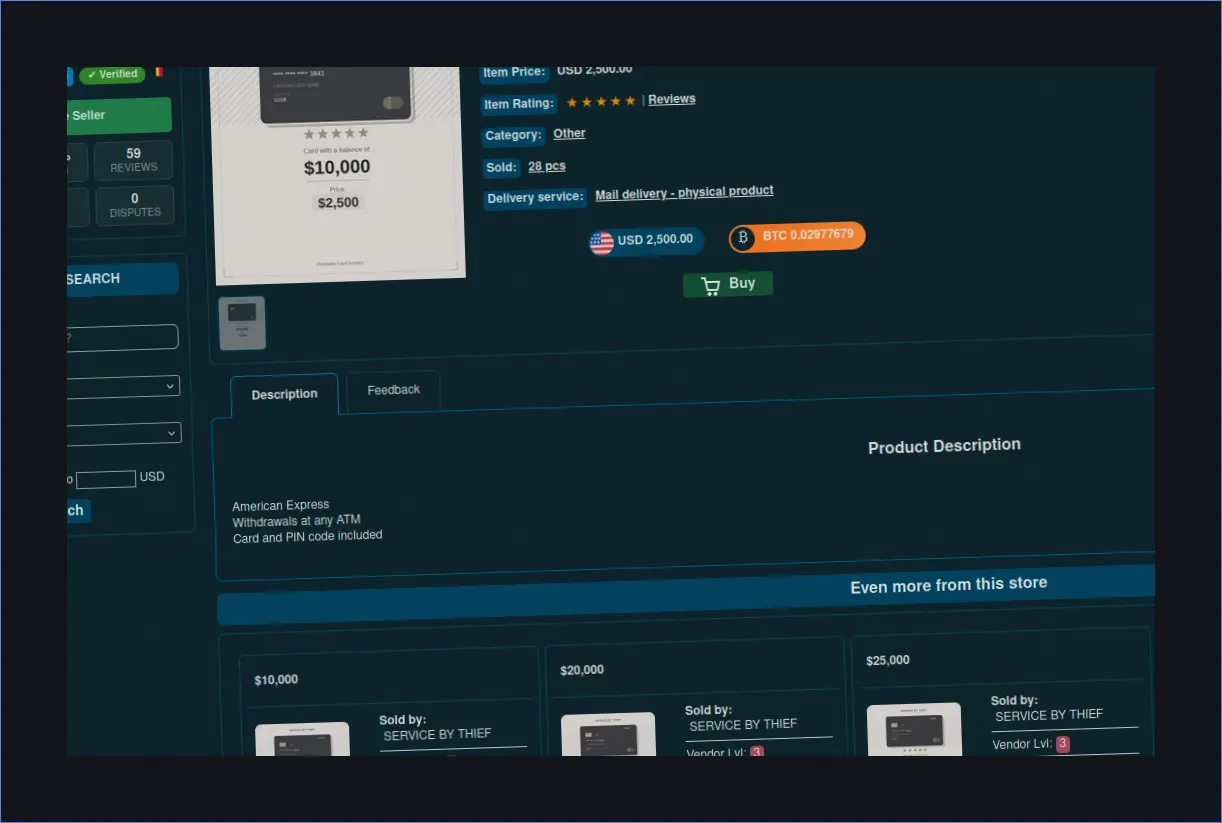
The Swift Unravelling of Mark T.'s Cloned Card Scheme in 72 Hours
Tampa Bay resident received 5 years for using cloned cards after ATM cameras recorded his face. Investigation timeline from purchase to arr…